Dark Sky Efforts - Town of Pagosa Springs
 Dark Sky Certification - Town of Pagosa Springs
Overview
The Town of Pagosa Springs is pursuing International Dark Sky certification to help preserve the community’s night sky. Many of the lighting practices encouraged through this effort are already in place through the Town’s existing lighting standards, which focuses on providing adequate lighting for safety and visibility while limiting glare, light spill, and unnecessary brightness. This process helps ensure those practices are maintained over time as the community continues to grow.
Light pollution is the human-made alteration of outdoor light levels from those occurring naturally. Over-lighting, lack of timers or sensors, and the use of the wrong color of light can impact wildlife, including migratory birds and pollinators, as well as people. This effort builds on those existing standards to help maintain a functional nighttime environment and preserve dark skies over time.
Purpose
The purpose of this effort is to evaluate how exterior lighting is used throughout the community and identify opportunities to improve consistency with existing standards. This includes reviewing current conditions, looking at how lighting impacts surrounding properties, and identifying where additional guidance or education may be helpful. This effort focuses on how those standards are functioning in practice and where additional coordination or education may be helpful.
What is Dark Sky?
Dark Sky refers to reducing light pollution through the use of responsible lighting practices. This includes limiting unnecessary lighting, reducing glare, and directing light only where it is needed.
Long-Term Direction
The Town of Pagosa Springs is participating in the International Dark Sky Places program through DarkSky International.
The program is a voluntary certification that recognizes communities working to protect the night sky through responsible lighting and public education. Participation in the program does not create new regulatory authority. It focuses on demonstrating an ongoing commitment to reducing light pollution and maintaining dark sky conditions over time. The Town Council has supported this effort through the approval of proclamations recognizing International Dark Sky Week in 2025 and 2026.
The Town Council also approved the formation of a Dark Sky Steering Committee and appointed its members to guide this effort. The committee includes community members who have expressed interest in and support for this initiative.
Program Requirements
The International Dark Sky Places program includes a set of general requirements that communities work toward over time. These include maintaining lighting standards that reduce glare and light spill, providing community education, demonstrating local support, and measuring night sky conditions.
Communities are also expected to show ongoing commitment through continued outreach and tracking progress over time.
Ways to Reduce Light Pollution
Small changes to outdoor lighting can reduce light pollution while still maintaining safety and visibility.
The following list is consistent with commonly accepted dark sky lighting practices:
- Use light only where it is needed: Avoid lighting areas that do not require it
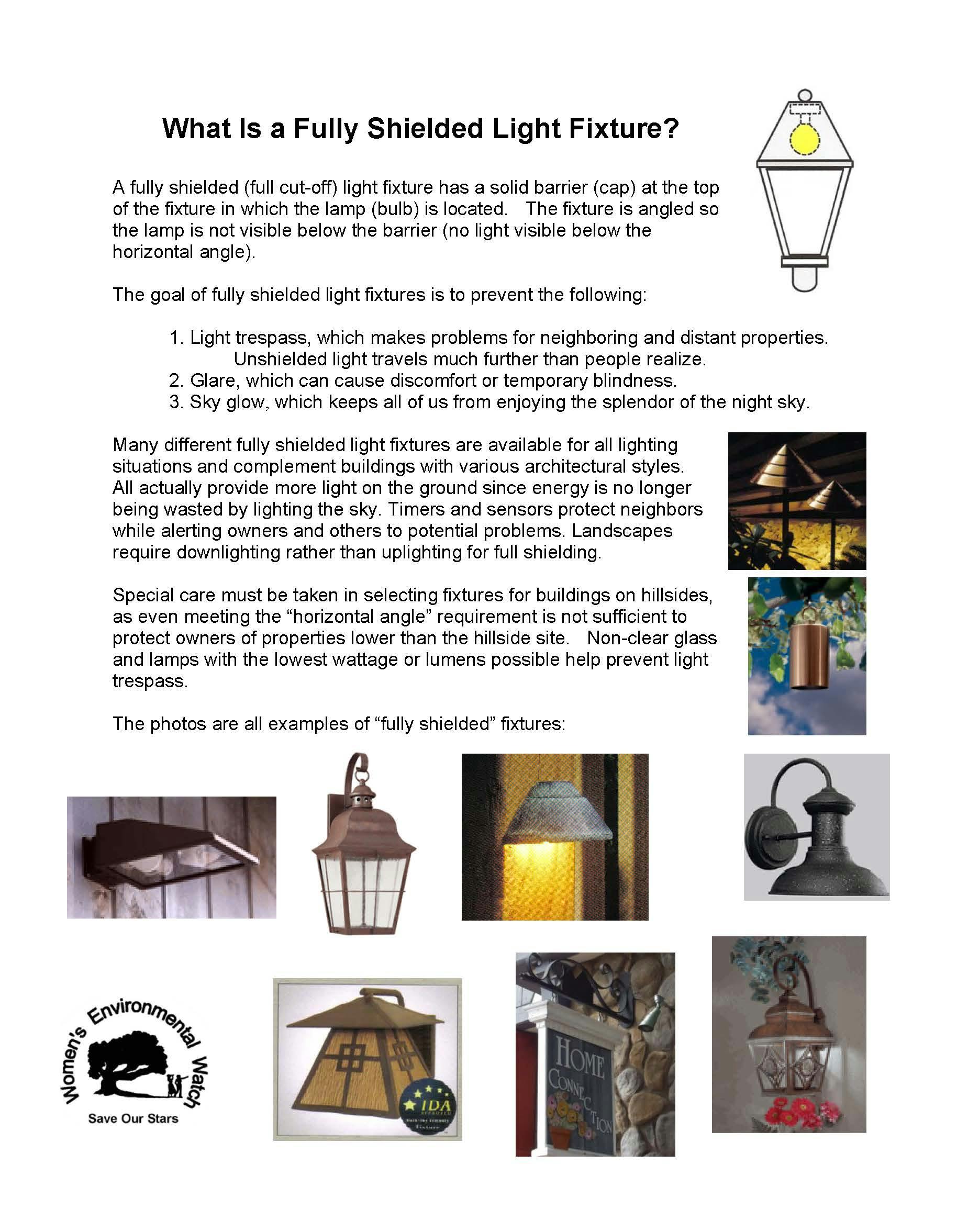
- Direct light downward: Shielded fixtures help prevent light from spilling into the sky or onto neighboring properties
- Use the lowest effective brightness: Avoid overly bright lighting that can create glare
- Use timers or motion sensors: Turn lights off when they are not in use
- Choose warmer color temperatures: Lower color temperature lighting reduces impacts on the night environment
These types of adjustments can improve nighttime visibility while reducing glare, light spill, and skyglow.
Stay Informed
- Sign up for Dark Sky Steering Committee meeting notifications and alerts: https://www.pagosasprings.co.gov/portal?portalpage=notifications?tab=alerts
- Learn more about Dark Sky International: https://darksky.org/